
Indesit Tumble Dryer Condenser Manual: A Comprehensive Guide

This manual details Indesit condenser dryer features, operation, and maintenance. It covers installation, troubleshooting, error codes, and garment care for optimal performance.
Indesit condenser tumble dryers offer a convenient and efficient solution for drying laundry, particularly suited for homes without external venting options. Unlike vented dryers, they don’t require a hose to expel moist air, instead collecting water in a removable container. This makes installation simpler and offers greater placement flexibility within your home.
These dryers are designed for ease of use, often featuring intuitive control panels, though models like the CYDC82WWGL prioritize simplicity over advanced features. Understanding the specific functionalities of your Indesit model, as detailed in this manual, is crucial for maximizing its performance and lifespan. Proper usage and regular maintenance, including condenser unit cleaning, will ensure optimal drying results and prevent potential issues.
Understanding Condenser Dryer Technology
Condenser dryers operate by passing warm air over damp clothes, absorbing moisture. This moist air then enters a condenser unit where it’s cooled, causing the water vapor to condense into liquid water. This water is collected in a container that requires periodic emptying – a key difference from vented dryers.
The efficiency of this condensation process is vital for performance. A clean condenser unit is paramount; accumulated lint reduces its effectiveness, leading to longer drying times and increased energy consumption. Regular cleaning, as outlined in this manual, is therefore essential. These dryers are ideal for indoor use, eliminating the need for external venting and offering flexible installation options within your laundry space.

Safety Precautions & Important Warnings
Prioritize safety when using your Indesit condenser dryer. Always disconnect the appliance from the power supply before cleaning or maintenance. Never operate the dryer if it’s damaged, and contact qualified service personnel for repairs.
Do not dry items that have been exposed to flammable substances, like solvents. Ensure adequate ventilation in the laundry room. Keep the area around the dryer free from obstructions. Children should not operate or play with the appliance. Always follow garment care label instructions to prevent damage or hazards. This dryer is intended for household use only; commercial applications are not supported.
Installation Guide
Proper installation is crucial for optimal performance. Select a stable, level surface for your Indesit condenser dryer, ensuring sufficient space for ventilation and access for maintenance. Avoid direct sunlight and extreme temperatures.
Carefully unpack the dryer and remove all transit bolts before operation – failure to do so can cause damage. Ensure the electrical connection meets local regulations and is compatible with the dryer’s specifications. Do not use extension cords or adapters. Refer to the preliminary information provided with your model for specific details regarding ventilation and electrical connections.
Proper Ventilation Requirements
Condenser dryers, while not requiring external venting like vented dryers, still need adequate airflow around the unit. Ensure there’s ample space – at least 3.9 inches – around the sides and back of the dryer for efficient operation.
Avoid blocking the air intake grille, as this can lead to overheating and reduced drying performance. The installation location should be well-ventilated to prevent moisture buildup. Proper ventilation ensures the condenser unit functions correctly, effectively removing moisture from the laundry. Refer to the installation guide for specific clearance recommendations for your Indesit model.
Electrical Connection Details
Indesit tumble dryers require a dedicated, properly grounded electrical outlet matching the voltage specified on the dryer’s rating plate. Typically, this is a 220-240V AC supply. Do not use extension cords or adapters, as they can pose a safety hazard.
Ensure the electrical installation complies with local regulations. A qualified electrician should perform the connection. The dryer must be earthed to prevent electric shock. Check the fuse rating is appropriate for the dryer’s power consumption. Incorrect electrical connections can damage the appliance and void the warranty. Always disconnect the dryer from the power supply before any maintenance or cleaning.

Operating Instructions
Before first use, ensure the dryer is correctly installed and the lint filter is clean. Load laundry, adhering to garment care label instructions – avoid overloading. Select the appropriate drying program using the control panel; options typically include cottons, synthetics, delicates, and timed drying.
Press the ‘Start’ button to begin the cycle. The dryer will automatically stop when the program is complete. Always check and empty the condenser unit after each cycle to maintain efficiency. Avoid interrupting a cycle unless absolutely necessary. Refer to the manual for detailed program descriptions and drying times.
Control Panel Overview & Program Selection
The Indesit condenser dryer’s control panel features a program selector dial and function buttons. The dial allows you to choose pre-set programs like ‘Cotton’, ‘Synthetics’, ‘Delicates’, and ‘Wool’. Function buttons control options such as ‘Delay Start’, ‘Anti-Crease’, and drying intensity.
Program selection depends on fabric type and desired dryness level. For example, ‘Cotton’ is suitable for robust items, while ‘Delicates’ is gentler. Timed drying allows you to set a specific duration. Refer to the garment care labels and the manual’s program guide for optimal settings. Understanding these controls ensures efficient and safe drying.
Loading and Unloading Laundry
Before loading, always check garment care labels to ensure items are suitable for tumble drying. Open the dryer door and evenly distribute laundry inside, avoiding overfilling. Overloading reduces drying efficiency and can cause creasing. Close the door securely before starting a cycle.
Once the cycle is complete, promptly remove laundry to prevent wrinkles. Check the lint filter before unloading – a clogged filter reduces performance. Shake out garments to fluff them up. Ensure the drum is empty before closing the door. Always obey the instructions given on the garment tags for best results.
Maintenance & Cleaning
Regular maintenance ensures optimal performance and longevity of your Indesit condenser dryer. Crucially, cleaning the condenser unit and filters are essential tasks. A clogged condenser significantly reduces drying efficiency and can lead to overheating. Always disconnect the dryer from the power supply before any cleaning procedure.
Periodically wipe down the exterior surfaces with a damp cloth. Inspect the door seal for damage and clean if necessary. Following each drying cycle, clean the lint filter to maintain airflow. Refer to specific sections for detailed instructions on cleaning the condenser unit and filter cleaning procedures.
Cleaning the Condenser Unit
The condenser unit requires periodic cleaning to maintain efficient drying performance. Locate the condenser – typically at the base of the dryer, behind an access panel. Carefully remove the condenser, following the instructions in your specific model’s manual. Use a vacuum cleaner with a brush attachment to remove lint and debris from the condenser fins.
For stubborn residue, gently rinse the condenser under lukewarm running water, avoiding high pressure. Ensure it is completely dry before reinstalling. A clogged condenser drastically reduces efficiency. Regular cleaning – every few months, or more frequently with heavy use – is vital for optimal operation and prevents potential issues.
Filter Cleaning Procedures
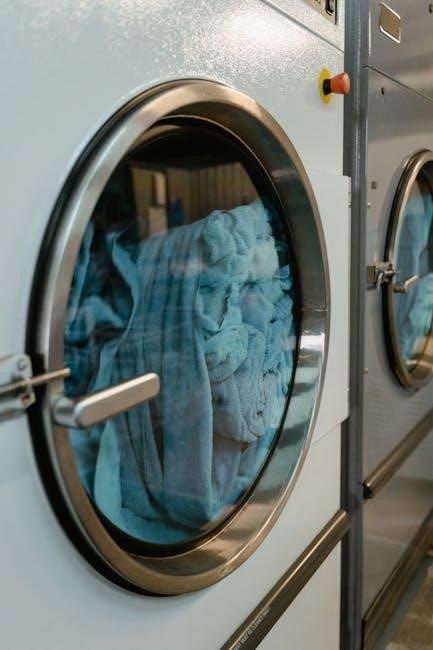
Regular filter cleaning is crucial for efficient dryer operation and safety. Locate the lint filter – usually inside the dryer door or in the air intake. After each drying cycle, remove the filter and carefully clean away all lint, fluff, and debris. A clogged filter restricts airflow, increasing drying time and posing a fire hazard.
Some models have a secondary filter; consult your manual for its location and cleaning instructions. Gently vacuum the filter if necessary, but avoid washing it unless specifically permitted. Ensure the filter is completely dry before reinstalling it. Consistent filter maintenance optimizes performance and extends the dryer’s lifespan.
Troubleshooting Common Issues
Encountering problems? This section addresses frequent issues with Indesit condenser dryers. If the dryer isn’t heating, check the power supply and heating element – a qualified technician may be needed. Condenser unit problems often stem from blocked filters or a full water container; ensure these are addressed first.
Strange noises could indicate foreign objects or worn components. Always disconnect the power before investigating. If error codes appear, refer to the dedicated section in this manual for specific meanings and suggested solutions. For persistent issues, consult a certified repair professional for diagnosis and repair.
Dryer Not Heating

If your Indesit dryer isn’t heating, first verify the power supply and ensure the appliance is correctly plugged in. Check the circuit breaker or fuse box for any tripped circuits. A faulty heating element is a common cause; however, this requires professional diagnosis and replacement due to electrical safety concerns.
Inspect the thermal cut-out, a safety device that shuts off the heater if it overheats. A malfunctioning thermostat can also prevent heating. Do not attempt to repair electrical components yourself; always consult a qualified technician; Ignoring this warning could lead to serious injury or further damage.
Condenser Unit Problems
Issues with the condenser unit often manifest as long drying times or damp laundry. A clogged condenser significantly reduces efficiency, as it’s unable to effectively remove moisture. Regularly cleaning the condenser, as detailed in the maintenance section, is crucial. Inspect the condenser for any physical damage, like bent fins, which impede airflow.
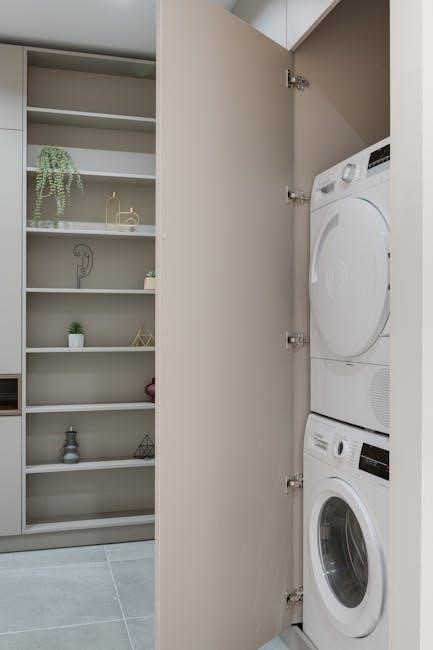
If the condenser continues to malfunction after cleaning, the condenser fan motor might be faulty. A non-functioning fan prevents proper air circulation. Professional assessment is recommended to diagnose and repair or replace the condenser unit or its associated components. Ignoring these issues can lead to increased energy consumption and potential dryer failure.
Error Codes & Their Meanings
Indesit tumble dryers utilize error codes to signal specific malfunctions, aiding in diagnosis. While code lists vary by model, common errors include ‘E01’ indicating a heating element failure, preventing the dryer from warming. ‘E02’ often signifies a temperature sensor issue, disrupting temperature regulation. ‘E03’ typically points to a condenser blockage or malfunction, impacting moisture removal.
Other potential codes relate to motor issues, door switch problems, or sensor failures. Refer to your specific model’s manual for a complete error code list and corresponding solutions. Attempting repairs based solely on error codes without proper knowledge can be dangerous; professional assistance is often recommended for complex issues.
Technical Specifications (Typical Models)
Indesit condenser tumble dryers generally range in drum capacity from 7kg to 9kg, catering to varying laundry loads. Standard models operate on a 220-240V power supply at 50Hz, with power consumption typically between 1800W to 2700W depending on the program. Dimensions usually fall around 85cm in height, 60cm in width, and 60-65cm in depth.
Most models feature multiple drying programs, including cotton, synthetics, delicates, and time-based options. Condenser efficiency varies, impacting energy consumption and drying times. Typical cycle durations range from 60 to 180 minutes. Noise levels generally fall between 65-70 decibels during operation.
Spare Parts & Where to Find Them
Genuine Indesit spare parts can be sourced from several avenues. The official Indesit website often lists compatible components, alongside authorized service centers. Online retailers specializing in appliance parts, such as eSpares, Partmaster, and BuySpares, frequently stock a wide range of Indesit components, including belts, filters, heating elements, and condenser units.
Local appliance repair shops may also carry common spare parts or can order them on your behalf. When ordering, always have your dryer’s model number readily available to ensure compatibility. Using genuine parts is recommended to maintain performance and warranty validity. Always prioritize safety when replacing components.
Understanding Garment Care Labels for Drying
Garment care labels are crucial for safe and effective tumble drying. A square with a circle inside indicates tumble drying is permissible. Dots within the circle signify heat levels: one dot for low, two for medium, and three for high. A crossed-out circle means do not tumble dry.
Horizontal lines within the square indicate drying time or temperature settings. A single line suggests a lower temperature or shorter drying cycle, while multiple lines indicate higher settings. Always adhere to these instructions to prevent damage, shrinkage, or color fading. Ignoring labels can void garment warranties and compromise fabric integrity.
Energy Efficiency Tips for Indesit Dryers
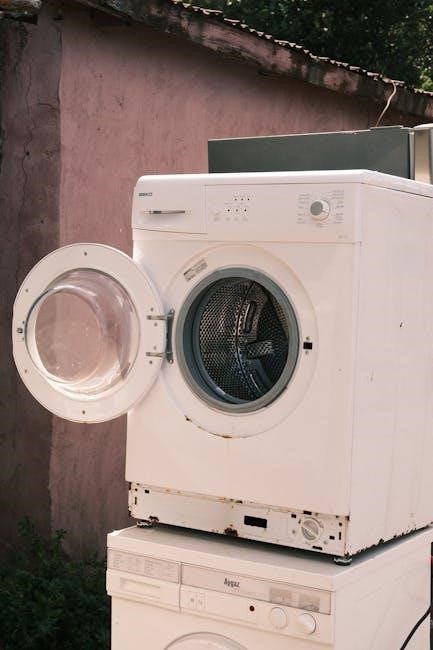
Maximize energy savings with your Indesit condenser dryer by fully loading each cycle, avoiding underloading. Clean the condenser unit and filters regularly; a clogged unit forces the dryer to work harder, increasing energy consumption. Utilize sensor programs which automatically detect moisture levels, preventing over-drying.
Consider air-drying items whenever possible, reducing reliance on the dryer. Ensure proper ventilation around the dryer to prevent heat buildup. Select the appropriate program for the load type – delicate fabrics require lower temperatures. Regularly check and clean the vent hose to ensure efficient airflow and optimal performance.
Disposal & Recycling Information
Responsible disposal is crucial for environmental protection. Do not dispose of your Indesit tumble dryer with household waste. Instead, utilize designated recycling facilities or contact your local waste management authority for proper disposal procedures.
Components like the refrigerant within the condenser unit require specialized handling. Recycling helps recover valuable materials and minimizes environmental impact. Check local regulations regarding WEEE (Waste Electrical and Electronic Equipment) compliance. Indesit encourages environmentally conscious disposal practices, contributing to a circular economy. Ensure all personal data is removed before disposal or recycling.
Frequently Asked Questions (FAQ)
Q: Why isn’t my dryer heating? A: Check the electrical connection and heating element. Q: What causes condenser unit issues? A: Blockages from lint or a faulty condenser motor are common causes. Q: How often should I clean the filters? A: After each drying cycle for optimal performance. Q: What do error codes mean? A: Refer to the ‘Error Codes & Their Meanings’ section for detailed explanations.
Q: Can I dry all garments? A: Always check garment care labels. Q: How do I improve energy efficiency? A: Clean filters and avoid overloading. Contact customer support for further assistance with any unresolved issues.
Warranty Information & Customer Support
Indesit offers a standard one-year manufacturer’s warranty covering defects in materials and workmanship. This warranty doesn’t cover damage from misuse or improper installation. For warranty claims, retain your proof of purchase and contact our customer support team.
Customer support is available via phone, email, and online chat. Our website provides access to manuals, FAQs, and troubleshooting guides. For technical assistance or to schedule a repair, visit our website or call our dedicated helpline. We are committed to providing excellent after-sales service and support.