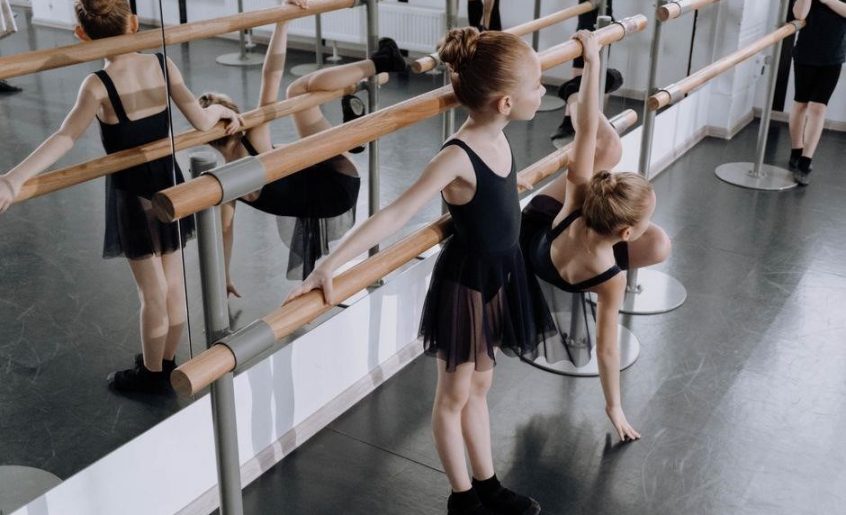
Choosing the right leotard size is crucial for optimal performance. GK Elite’s size chart relies on precise body measurements—bust, waist, hip, and length to match each athlete’s unique proportions. Accurate sizing ensures freedom of movement and confidence during routines. Accurate fit boosts confidence. and go.
Why Accurate Sizing Matters for Gymnastics and Dance
In gymnastics and dance, the leotard is more than a garment; it is a tool that directly influences technique, safety, and artistic expression. A well‑fitted leotard, determined by precise measurements of bust, waist, hip, and length, ensures that every joint and muscle can move freely without restriction. When a leotard is too tight, it can compress the torso, limit core engagement, and create uneven tension across the shoulders and hips, which in turn hampers the execution of intricate tumbling passes or complex choreography. Conversely, a leotard that is too loose may shift during dynamic movements, causing distraction, compromising balance, and increasing the risk of accidental contact or injury.
Beyond physical performance, accurate sizing enhances confidence. Athletes who feel secure in their attire can focus fully on mastering skills, maintaining proper alignment, and delivering a polished routine. Confidence also translates into better body awareness; when the leotard fits correctly, the athlete can better sense subtle shifts in posture and adjust in real time, a critical factor in high‑level competition and advanced dance pieces.
Safety is a paramount concern. A leotard that fits properly reduces the likelihood of chafing, skin irritation, and the potential for the garment to become a tripping hazard. In gymnastics, where athletes perform on uneven surfaces and apparatus, a snug yet flexible leotard helps maintain stability and prevents accidental slips that could lead to falls or joint strain. For dancers, especially those performing barefoot or with minimal footwear, a well‑fitted leotard protects the skin from abrasions while allowing the feet to move naturally.
From a technical standpoint, the correct leotard size supports optimal muscle activation. When the garment conforms to the body’s natural lines, it allows the muscles to contract and relax without interference, enabling more efficient power transfer during jumps, flips, and lifts. This efficiency is crucial for athletes aiming to maximize height, speed, and precision in their routines.
Finally, accurate sizing contributes to the longevity of the leotard. Proper fit reduces undue stress on seams and elastic bands, preventing premature wear and tear; Athletes who invest time in measuring accurately not only improve their performance but also protect their investment in high‑quality leotards, ensuring that each garment remains functional and comfortable throughout its intended lifespan.

How to Take Accurate Body Measurements
Stand straight, relax shoulders, and use a flexible tape. Measure bust at fullest point, waist at the narrowest spot, hips at widest point, and length from shoulder seam to desired hem. Record each figure precisely for best fit. Add a second person to double-check now!
Step-by-Step Measurement Procedure
Begin by selecting a soft, flexible measuring tape and a flat surface. Stand upright, feet together, and keep the back straight. Measure the bust by wrapping the tape around the fullest part of the chest, ensuring the tape lies flat against the skin and is level horizontally. Record the measurement in inches or centimeters, rounding to the nearest half unit for accuracy.
Next, locate the natural waistline, typically the narrowest part of the torso. Position the tape snugly but not tight, and note the reading. For hip measurement, place the tape around the widest portion of the hips and buttocks, again keeping the tape level and parallel to the floor. This ensures a consistent baseline for all athletes.
Finally, determine the desired leotard length by measuring from the top of the shoulder seam down to the point where the garment should end. This could be the waist, mid-thigh, or knee, depending on the style. Mark each measurement clearly, double‑check for errors, and use these figures to reference the GK Elite size chart for the best fit.
When measuring, ensure the tape is not twisted and remains parallel to the floor. A slight slack can lead to an oversized fit, while an overly tight tape may underestimate the true dimension. It is advisable to measure twice and average the results to mitigate human error. Record the final numbers in a notebook or digital app for easy reference.
After collecting all measurements, compare each value against the GK Elite size chart, which aligns bust, waist, hip, and length with specific size codes. If multiple measurements fall into different size ranges, prioritize the bust and hip for leotards, as they most directly affect fit and comfort during high‑impact movements.
For athletes who prefer a tighter fit, consider a leotard with a stretch ratio or a compression base layer.
When using the size chart, remember that measurements are taken in the athlete’s natural posture. Avoid measuring while wearing tight clothing, as it can compress the body and skew results. and double‑check.
Finally, double‑check all numbers before ordering.
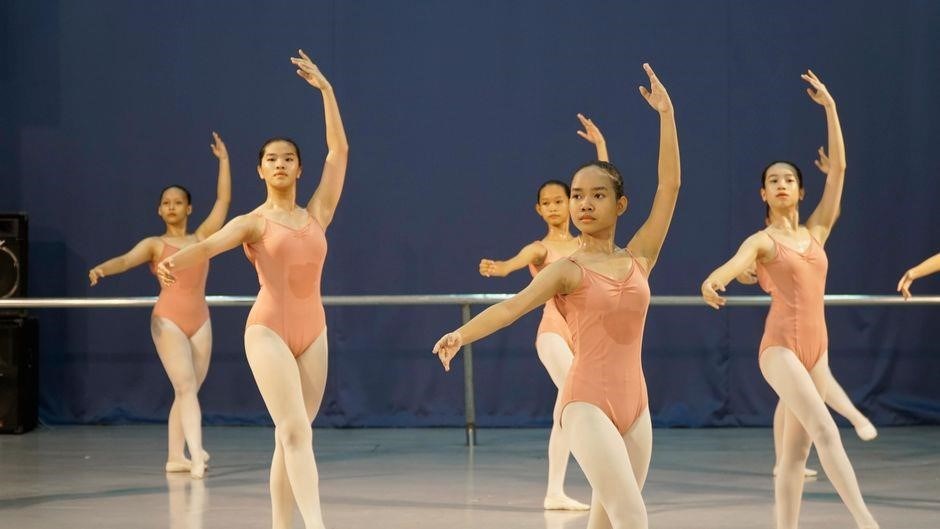
Understanding Leotard Size Charts
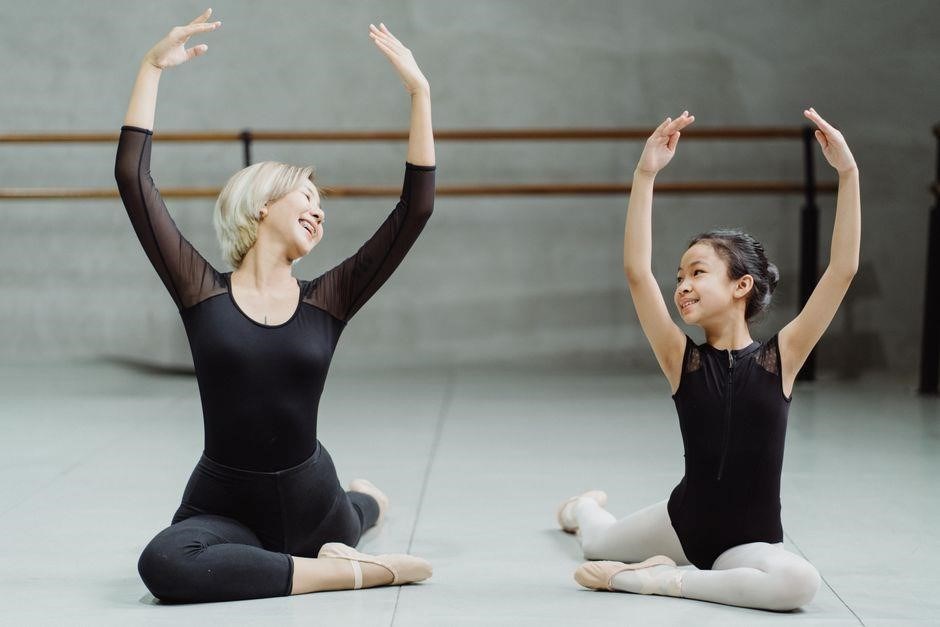
GK Elite’s size charts align bust, waist, hip, and length measurements to specific codes. Use your exact numbers to find the matching size. The chart accounts for body shape variations, ensuring a snug fit that supports performance without restricting movement. Consult the chart for each body type to ensure fit!
Interpreting Bust, Waist, Hip, and Length Measurements
When selecting a leotard, begin by measuring bust, waist, hip, and length. Use a flexible tape, keeping it snug but not tight. Record each measurement in inches or centimeters. The GK Elite chart matches these numbers to a size code. Bust is measured at the fullest part of the chest, waist at the narrowest point, hip at the widest part, and length from the shoulder seam to the hem. Once you have all four numbers, locate the row in the chart that matches your bust. Then find the column that corresponds to your waist. The intersection gives the base size. Adjust for hip if it falls outside the range; if your hip is larger, move up one size. Length is verified by ensuring the leotard’s hem sits at the desired point on your body. This systematic approach guarantees a fit that supports flexibility and confidence during performance.
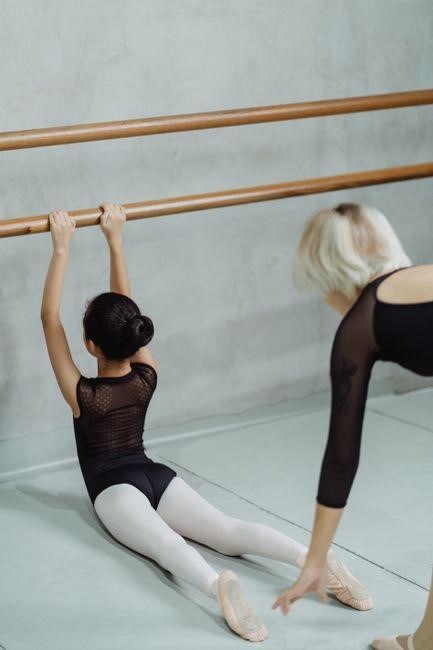
For athletes with a higher bust-to-waist ratio, consider a size up at the bust column to avoid compression. If the hip measurement exceeds the chart’s maximum, a size up or a custom fit may be necessary. Length is often the most forgiving dimension; if the leotard’s hem sits below the intended line, you can trim the excess or use a length‑adjustable tie. Always compare the final size against the athlete’s comfort during a short practice session before finalizing the purchase.
When using the chart, round up to the nearest size if measurements fall between options. This ensures a comfortable fit that accommodates growth. For competitions, check the fit to keep the leotard in place!
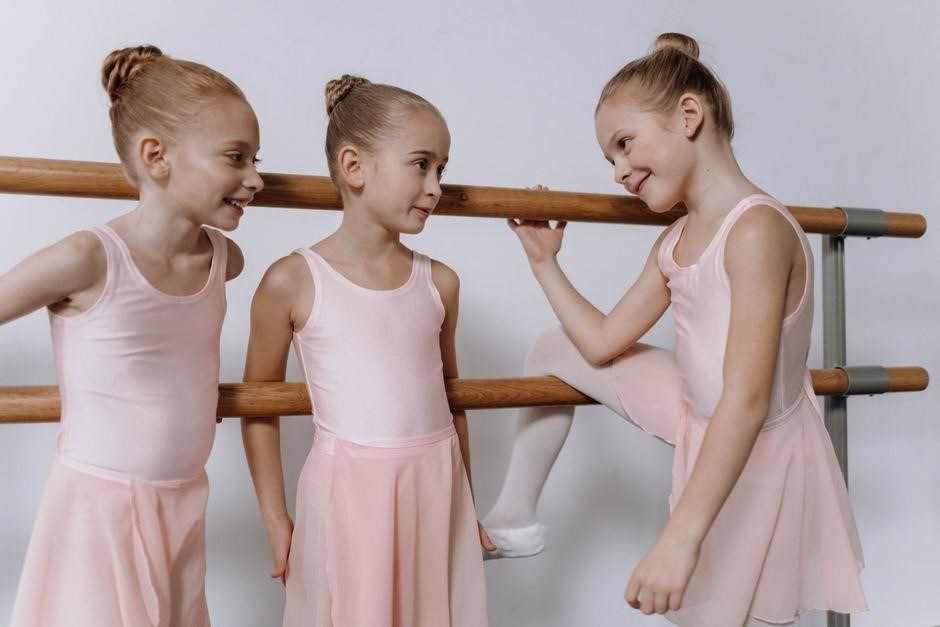
GK Elite Leotard Size Guide
GK Elite’s leotard size guide uses precise body measurements—bust, waist, hip, and length to match each athlete’s proportions. The chart aligns these numbers to a size code, ensuring optimal fit for performance and confidence. Accurate sizing is essential for competition success. Accurate sizing ensures performance!!;
GK Elite Size Chart Details and Usage Tips
GK Elite’s leotard sizing system uses four key measurements: bust, waist, hip, and inseam length. Each measurement is taken in centimeters and matched to a specific size code (XS, S, M, L, XL, 2XL, 3XL). The chart also includes a “Fit” column that indicates whether the leotard will be snug, regular, or loose, allowing athletes to choose based on personal preference and the level of compression desired for performance. For example, a bust of 86 cm, waist of 60 cm, hip of 90 cm, and inseam of 46 cm falls into the “M” size with a “Regular” fit.
Measure bust at the fullest point, waist at the narrowest, hips at the widest, and inseam from the top of the inner thigh to the ankle. Record each value in centimeters. Find the row where all measurements fall within a single size range. Always round up to the nearest whole number before comparing.
Leotards are made from high‑elastic fabrics; slight variations in fit are normal. A leotard that is too tight restricts movement, while one that is too loose may slip during tumbling or dance. Try it on before finalizing your order.
Additional tips: keep the fabric dry during measurements to avoid shrinkage, use a soft measuring tape, and double‑check your numbers. For international customers, remember that the chart uses metric units; convert inches to centimeters by multiplying by 2.54. Finally, refer to GK Elite’s FAQ for sizing adjustments and return policies if the fit is not ideal. Double‑check the final size against the chart before buying for fit.!! Consult GK Elite’s customer service for advice.
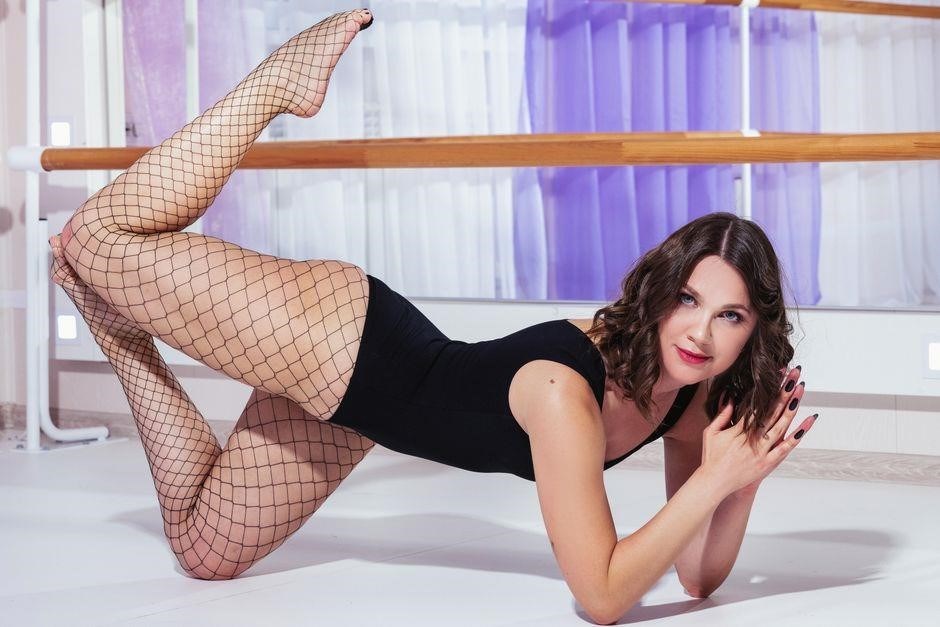
Material and Stretch Considerations
GK Elite leotards blend high‑elastic spandex with nylon to offer 120% stretch, durability, and breathability. The 70/30 spandex/nylon mix keeps the garment firm yet flexible, preventing sagging during tumbling or dance. Moisture‑wicking fibers keep athletes cool and confident. All sizes are for flexibility fit!?
Choosing Materials for Flexibility and Durability
When selecting a leotard, the blend of fibers determines both flexibility and longevity. A common high‑performance mix is 70% spandex (elastane) and 30% nylon or polyester. Spandex supplies the stretch needed for deep splits, pivots, and jumps, while nylon adds abrasion resistance and a smooth finish that reduces friction against skin. Polyester offers excellent moisture‑wicking properties, keeping the body dry during intense routines. The addition of a small percentage of cotton can enhance breathability for warm‑up pieces, but too much cotton may compromise elasticity. For competition leotards, manufacturers often incorporate a 5–10% silicone or rubber backing in the waistband to prevent slippage during tumbling passes. The choice of thread—high‑strength polyester or nylon—ensures seams withstand repeated flexing without fraying. Durability is also influenced by the fabric’s weight; a medium‑weight (200–250 gsm) weave balances stretch with structural support, preventing the garment from tearing under high‑impact landings. Finally, a finish such as a micro‑twill weave or a satin overlay can reduce snagging on props and enhance the garment’s overall lifespan. By carefully balancing these material properties, athletes can achieve a leotard that remains form‑fitting, supportive, and resilient throughout a season of training and competition. Such rigorous testing ensures that every leotard delivers consistent performance from the first warm‑up to the final routine. Colorfast dyes and UV‑blocking treatments keep leotards vibrant and resistant to fading, even after prolonged exposure to studio lights.
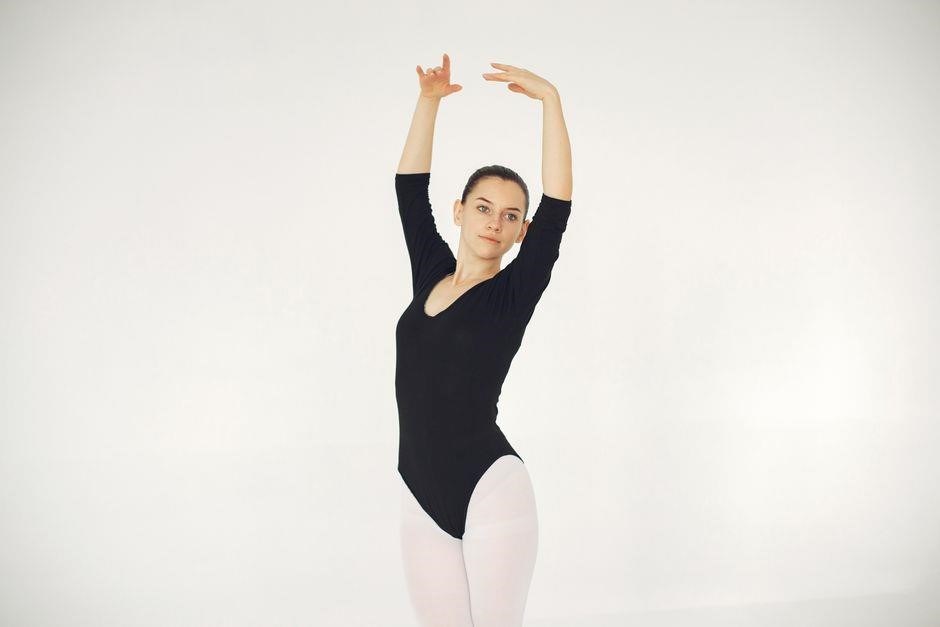
Fit Preferences and Performance Impact
Fit preference shapes confidence and range. A slightly snug waist supports core stability, while a relaxed hip allows full leg movement. Athletes choose between a tight compression style for maximum support or a looser fit for flexibility. Proper fit reduces drag, enhances posture, and boosts performance for all now!
How Fit Affects Mobility and Confidence
When a leotard conforms to an athlete’s body, it eliminates friction and allows the gymnast or dancer to perform with range of motion. A well‑fitted garment keeps the waist snug enough to support the core, yet flexible enough to accommodate twists, turns, and splits. The hips should sit comfortably without pulling or bunching, ensuring leg extensions feel natural rather than restricted. This balance of support and freedom translates into smoother lines on the floor, tighter pivots, and more precise jumps, all of which are critical for scoring high in competitions.

Beyond the physical benefits, fit directly influences confidence. A leotard that feels like a skin reduces the distraction of adjusting straps or feeling exposed. Athletes report that a snug, supportive fit gives them a sense of security, allowing them to focus on technique rather than clothing. Conversely, a loose or ill‑shaped leotard can cause hesitation, as the performer may worry about the garment slipping or revealing underlayers. Confidence gained from a proper fit often leads to risk‑taking in routines, pushing the athlete to attempt more challenging skills.
GK Elite’s sizing methodology, based on precise bust, waist, hip, and length measurements, ensures that each athlete receives a garment tailored to their anatomy. By following the size chart and selecting the correct size, gymnasts and dancers can achieve the optimal blend of compression and stretch. This synergy between fit, mobility, and confidence is the cornerstone of performance in gymnastics and dance disciplines!!!
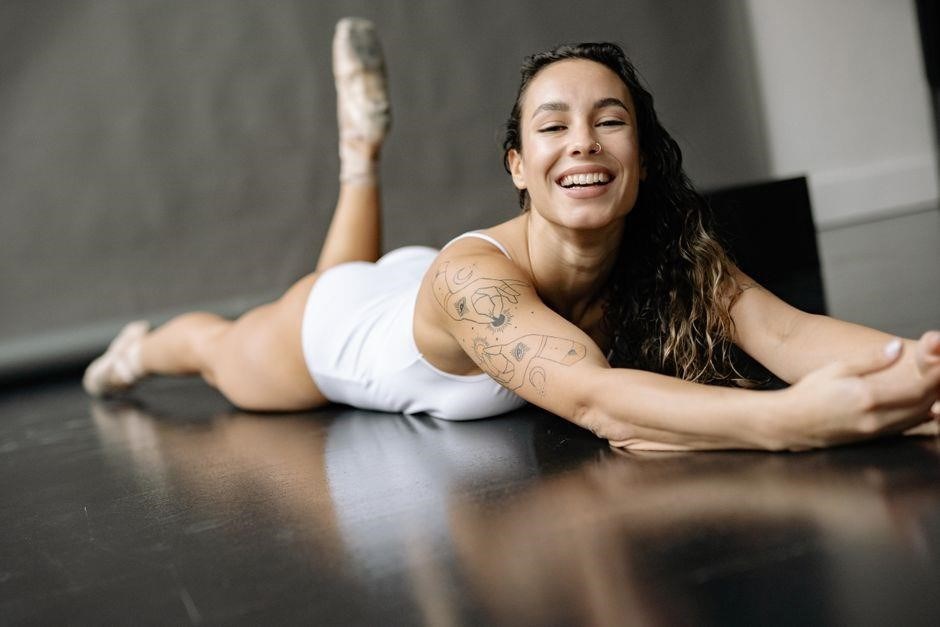
Common Fit Issues and Solutions
Common fit problems include tight waistlines, loose hips, and uneven length. Solutions involve selecting the correct GK Elite size, adjusting straps, or choosing a slight larger size for stretch. Proper fit reduces slippage, enhances comfort, and boosts performance confidence
Resolving Common Issues like Tightness and Slippage
When a leotard feels too tight around the waist or hips, or slides down during routines, the first step is to verify the body measurements against the GK Elite size chart. GK Elite’s years of pattern development show that the most accurate fit comes from matching bust, waist, hip, and length numbers. If the waist measurement sits at the upper edge of a size, move to the next larger size or choose a competition leotard that offers a slightly looser fit. For hip slippage, pick a model with a higher hip circumference or a warm‑up leotard that provides extra stretch. Adjust the built‑in waist straps to keep the garment in place without cutting off circulation. If the length feels too short, a larger size will give the necessary coverage. Test the leotard in a practice session: perform a series of turns, jumps, and holds to ensure it stays secure and moves with you. The GK Fit is scientifically engineered to move with the athlete, so a proper fit eliminates tightness and slippage, allowing full focus on performance. Remember to use the correct leotard type—warm‑up for practice, competition for performance—and always double‑check measurements before ordering. Additionally, consider the material’s stretch properties; a higher elastane content can provide more give, reducing the risk of slippage during high‑impact moves. If the leotard still slides, try tightening the waist straps or selecting a slightly smaller waist size while keeping the hip measurement correct. Finally, always keep a spare size on hand for quick swaps during long training sessions and stay comfortable